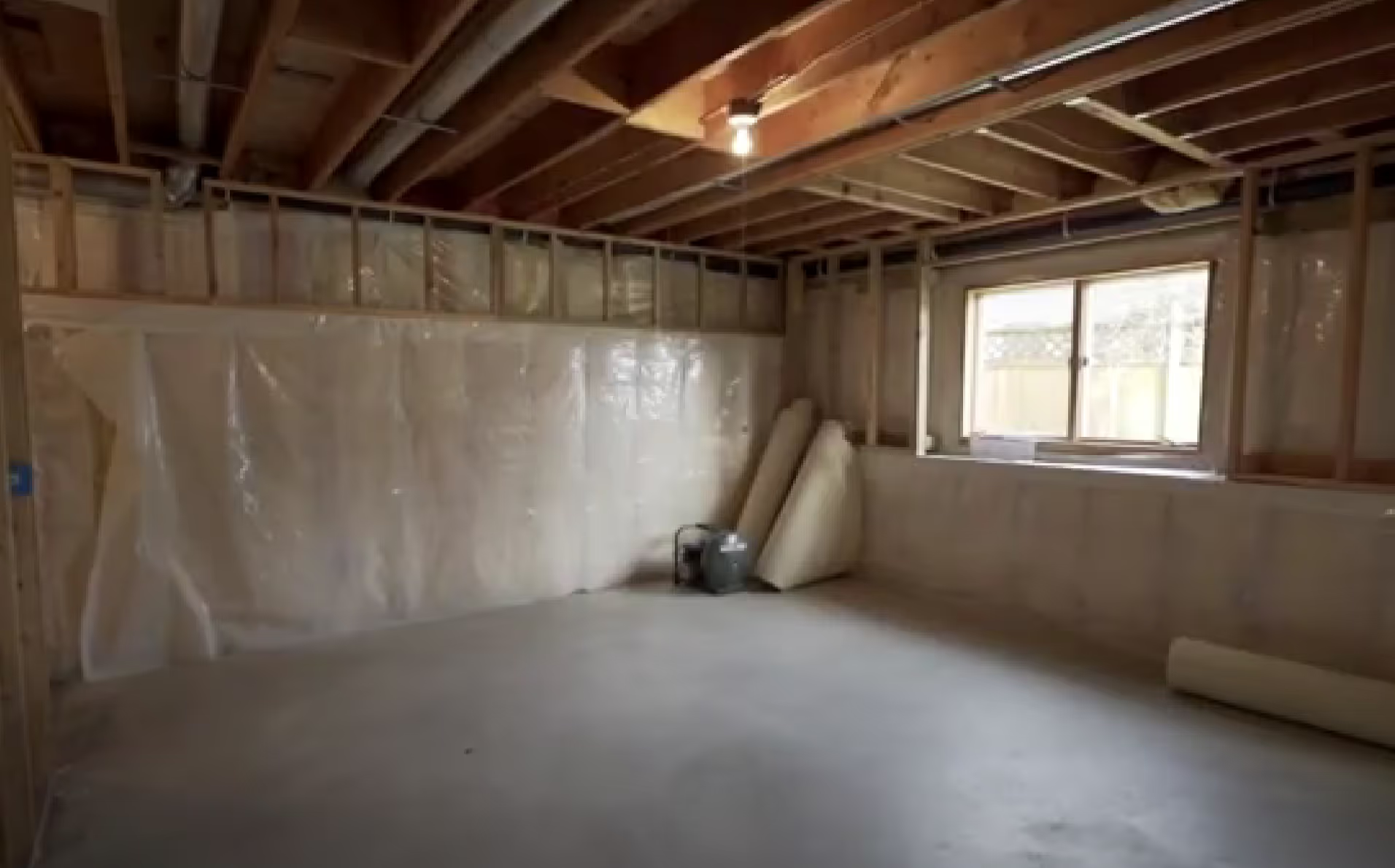
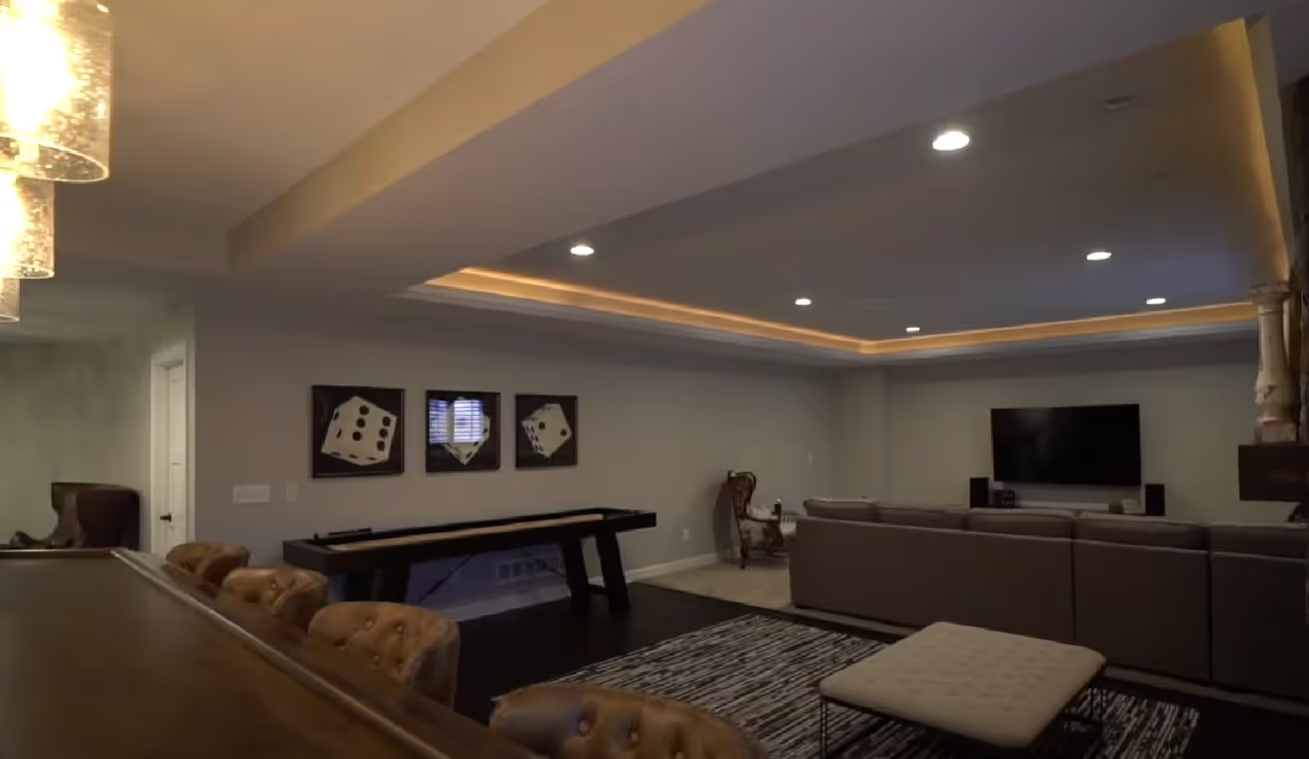
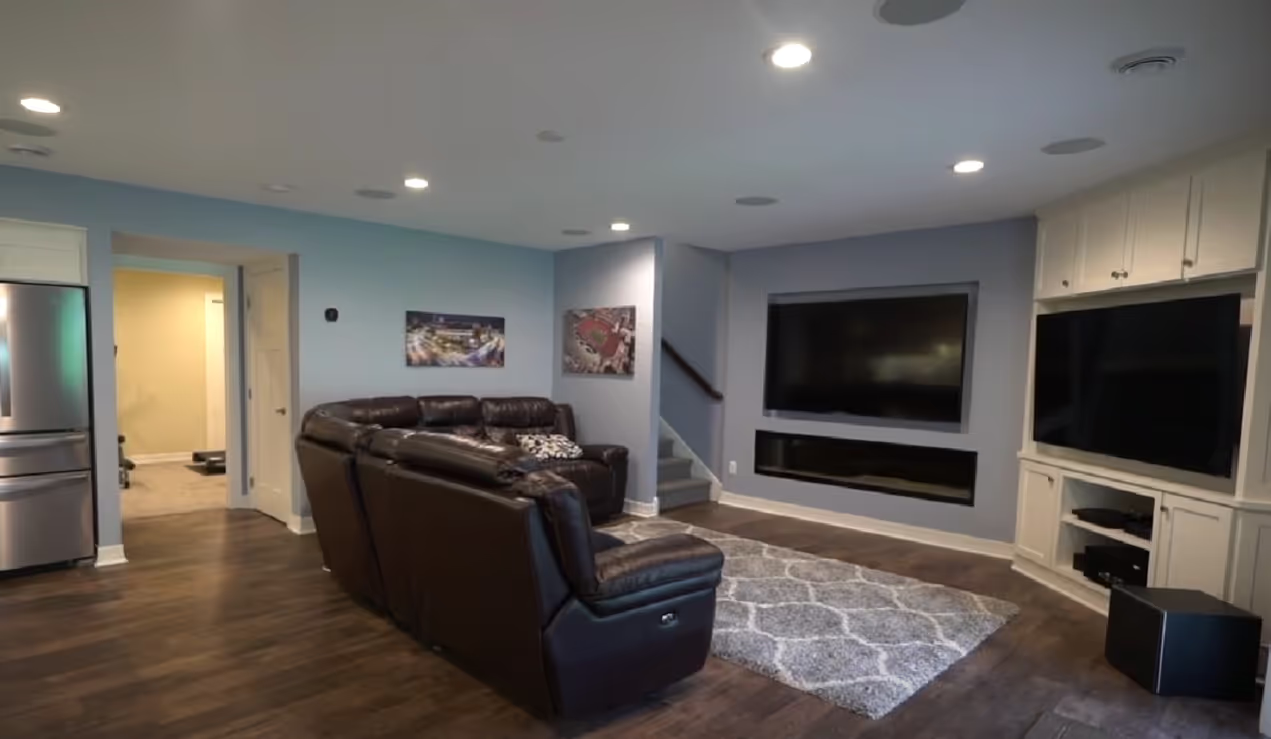
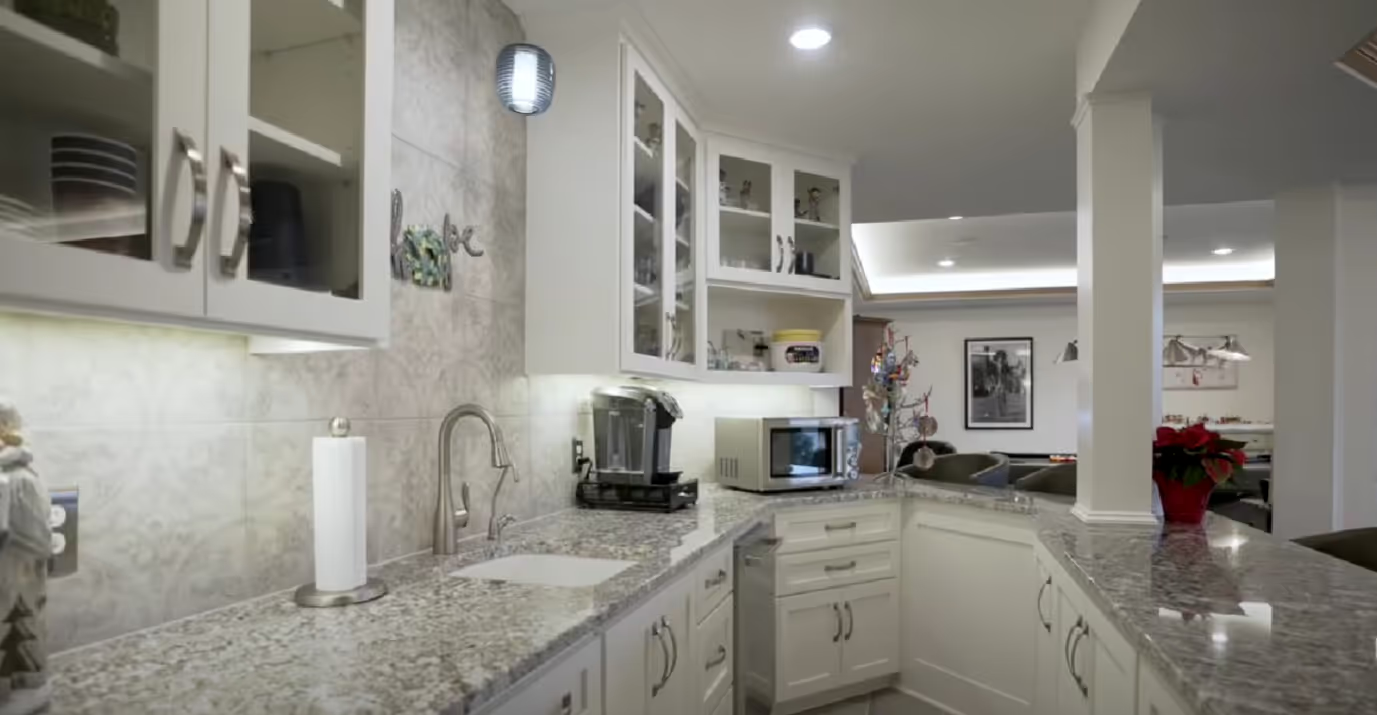
Ensure proper heating and cooling of Minnesota basements with these HVAC tips from the experts at Country Creek Builders.
.avif)
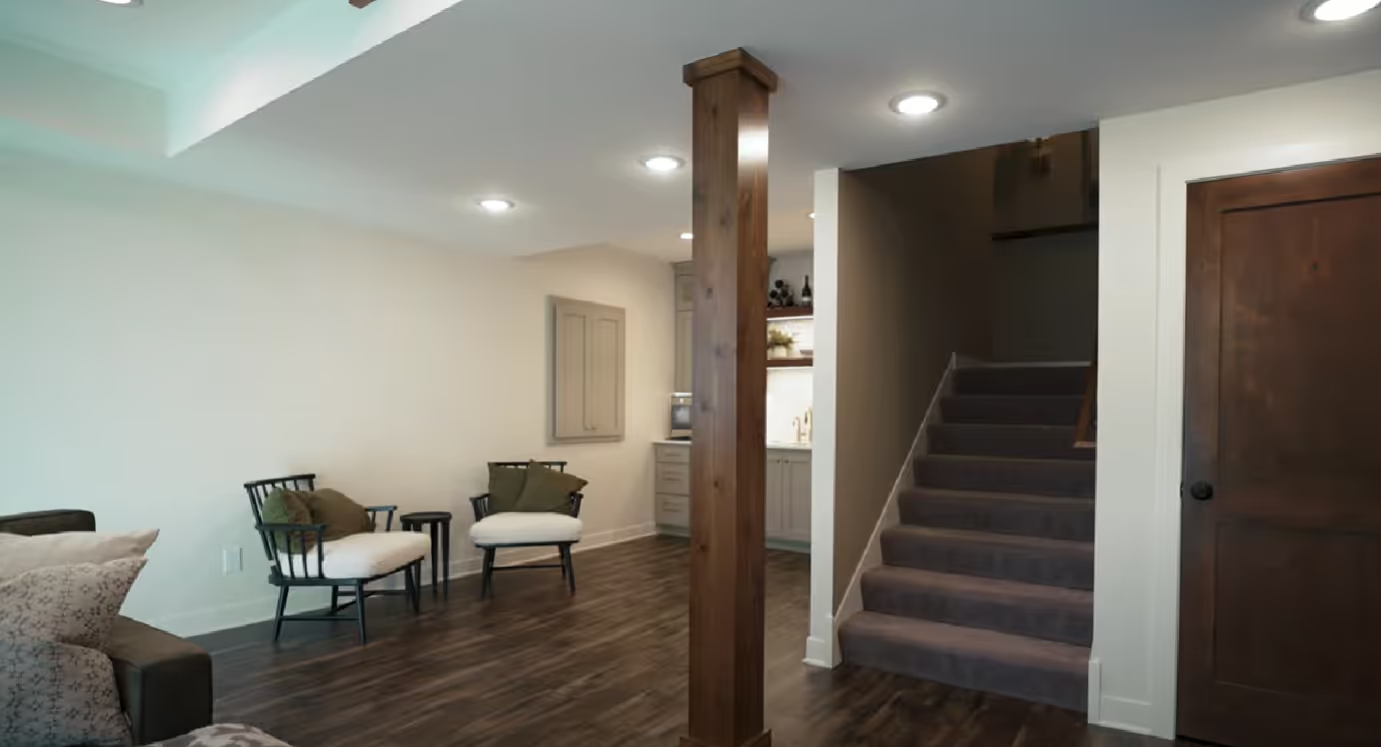
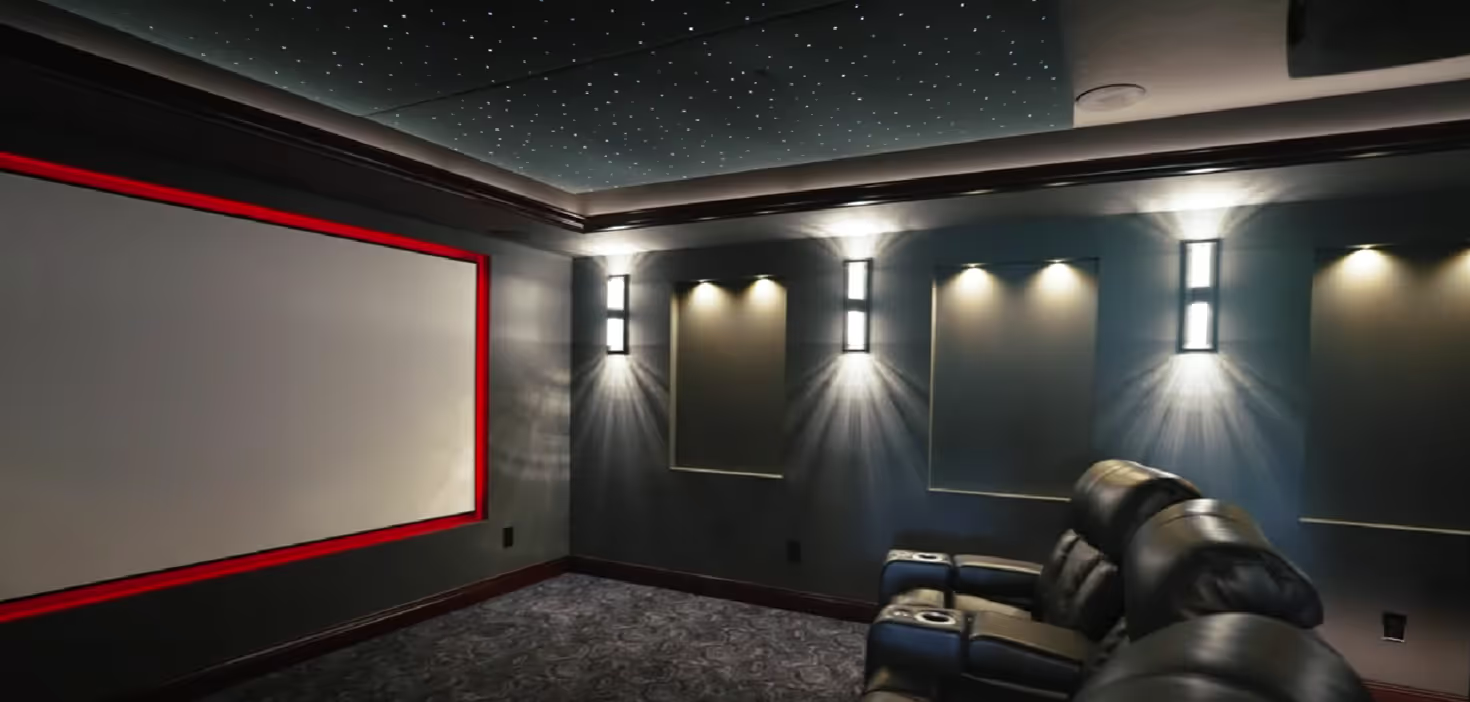
Your new basement is finished. Beautiful custom bar with granite countertops, plush carpet throughout, theater-quality entertainment area. You invested $120,000 to create this incredible space. Then January arrives, and your basement hovers at 58 degrees despite cranking the thermostat. Or worse—July hits and humid 82-degree basement air makes the space unbearable.
This scenario plays out across Lakeville, Apple Valley, and the South Metro more often than it should. Homeowners spend six figures finishing basements without properly addressing heating and cooling, then discover their beautiful new space is uncomfortable half the year.
After completing 586+ basement finishing projects, we've learned that HVAC isn't an afterthought you can address "later"—it's a critical foundation element that determines whether your finished basement becomes your family's favorite space or an expensive disappointment.
This comprehensive guide explores everything South Metro homeowners need to know about heating and cooling finished basements in Minnesota's challenging climate: the unique challenges our region faces, HVAC solutions that actually work, what Minnesota building code requires, and how to integrate climate control into your basement finishing plans from day one.
Minnesota experiences 100+ degree temperature swings between summer highs and winter lows—among the most extreme in the continental United States. Your HVAC system must handle:
Systems barely adequate for main floors often can't handle the additional load of 800-1,400 square feet of finished basement space.
Basements sit partially or fully underground, creating unique thermal characteristics:
Winter benefits: Earth temperature 8-10 feet below the surface stays relatively constant around 45-50°F in Minnesota. This means basement walls and floors never get as cold as main-level exterior walls, reducing heating loads.
Summer challenges: That same 45-50°F earth temperature makes basements naturally cool, but humidity from warm, moist air condensing on cool surfaces creates comfort and mold problems even when temperatures seem acceptable.
Year-round considerations: The 20-30 degree temperature difference between basements and main floors creates significant thermal stratification—warm air rises to upper floors while cool air sinks to basements. Without proper HVAC design, basements stay uncomfortably cool in winter and main floors overheat in summer.
Minnesota's humid summers (average 70-80% relative humidity in July-August) create moisture problems in cool basement spaces:
Effective basement HVAC must control both temperature AND humidity to create comfortable, healthy spaces.
Most homes built in the South Metro were designed with HVAC systems sized for the main floor and upper levels only. Adding 1,000+ square feet of finished basement space increases your home's conditioned area by 30-50%, yet the existing furnace and air conditioner can't magically handle that additional load.
This creates a choice: upgrade your existing HVAC system or install supplemental systems specifically for the basement.
Minnesota has adopted the International Residential Code (IRC) with state-specific amendments establishing minimum heating and ventilation standards for habitable spaces.
IRC Section R303.8: Every habitable room must have heating facilities capable of maintaining a room temperature of 68°F at a point 3 feet above the floor.
This isn't optional. Building inspectors verify that finished basements have adequate heating before issuing certificates of occupancy. Simply hoping warm air "drifts downstairs" doesn't meet code.
IRC Section M1501.1: Mechanical ventilation systems must provide fresh air circulation throughout habitable spaces.
For finished basements, this means:
IRC Section M1701: Appliances burning fuel require adequate combustion air, and mechanical rooms need proper ventilation.
Basements with furnaces, water heaters, or other fuel-burning equipment need:
Minnesota has adopted energy efficiency standards requiring:
These requirements affect both system design and installation costs.
The most common approach for heating and cooling finished basements is extending ductwork from existing forced-air systems.
If your current furnace and air conditioner were sized generously, they may handle the additional basement load with proper ductwork extensions.
Indicators of adequate capacity:
Professional load calculations determine whether your existing equipment can handle additional square footage. These calculations account for:
At Country Creek Builders, we coordinate with licensed HVAC professionals to perform load calculations before finalizing basement finishing designs. This prevents expensive surprises when homeowners discover mid-project that their existing system is inadequate.
Simply adding ducts wherever convenient creates problems. Proper basement HVAC design requires:
Supply duct placement:
Return air location:
Trunk line routing:
Adding basement ductwork affects airflow throughout your home. Proper balancing ensures comfortable conditions on all levels.
Manual dampers in ducts allow airflow adjustments:
Electronic zone control provides superior comfort:
Cost ranges:
For basement finishing projects in larger homes, zone control isn't just a luxury—it's necessary for comfortable, efficient operation.
If load calculations reveal inadequate capacity, upgrading before finishing your basement prevents comfort problems and expensive retrofits.
Upgrade indicators:
Replacement costs:
These significant investments pay for themselves through:
Coordinating equipment upgrades with basement finishing makes financial sense—you're already investing significantly, and inadequate HVAC undermines that entire investment.
When extending existing systems isn't practical or sufficient, supplemental HVAC options provide targeted climate control for basement spaces.
Mini-split heat pumps have become increasingly popular for basement applications, offering both heating and cooling from a single system.
How they work:
Advantages:
Disadvantages:
Cost ranges:
For basements where ductwork is impractical or existing systems lack capacity, mini-splits provide excellent performance. We've incorporated them into dozens of basement finishing projects across the South Metro with consistently positive homeowner feedback.
Electric heating provides supplemental warmth in Minnesota winters when basement temperatures drop despite HVAC efforts.
Electric baseboard heaters:
Advantages: Low installation cost ($300-$800 per room), reliable operation, no equipment failures
Disadvantages: High operating costs (electricity is expensive for heating), no cooling capability, takes wall space, slower heat-up than forced air
In-floor electric heat:
Advantages: Exceptional comfort, efficient heat distribution, no space requirements, silent operation
Disadvantages: Expensive installation ($8-$15 per square foot), must be planned before flooring installation, difficult to repair if systems fail, high operating costs
These solutions work well as supplemental systems but rarely make sense as primary heating for entire basements.
Some homeowners consider portable or window AC units for basement cooling. We don't recommend these for several reasons:
Performance limitations:
Installation challenges:
Better alternatives: Invest in proper ductwork extensions or mini-split systems that provide comprehensive, efficient, comfortable climate control.
Some homeowners consider wood or pellet stoves for supplemental basement heating. While these create cozy ambiance, they present significant challenges:
Code requirements:
Practical limitations:
For these reasons, we rarely recommend wood or pellet stoves for finished basements in South Metro homes.
Climate control in Minnesota basements means managing moisture as much as temperature. Humidity control prevents mold, protects materials, and eliminates musty odors.
Dedicated dehumidifiers are essential for comfortable, healthy finished basements.
Sizing requirements:
Installation options:
Portable units ($200-$500):
Whole-home systems ($1,200-$2,500):
At Country Creek Builders, we specify whole-home dehumidification systems in virtually all basement finishing projects. The superior performance and convenience justify the investment.
Modern HVAC systems can incorporate humidity control:
Humidistats monitor humidity levels and activate equipment as needed
Variable-speed air handlers run longer at lower speeds, improving dehumidification without overcooling
Dedicated dehumidification modes remove moisture without changing temperature
Fresh air ventilation with heat/energy recovery prevents excess humidity from entering
These integrated approaches provide superior comfort and efficiency compared to standalone portable dehumidifiers.
Dehumidifiers remove significant water from basement air—10-20+ gallons per day during humid Minnesota summers. This water needs somewhere to go.
Drainage options:
Gravity drainage to floor drains:
Condensate pumps where gravity drainage isn't available:
Portable unit collection buckets:
Plan drainage during basement finishing design rather than trying to add it after completion.
Even with dehumidification, condensation can occur on cold surfaces. Prevention strategies include:
Proper insulation: Insulating foundation walls prevents cold spots where condensation forms
Vapor barriers: 6-mil poly or equivalent behind finished walls blocks moisture migration
HVAC air mixing: Supply vents placed strategically prevent stagnant, humid air pockets
Bathroom exhaust: Venting humid air outside rather than into basement spaces
Bar area ventilation: Range hoods or exhaust fans remove humidity from cooking/entertaining
Some homeowners install humidity monitors to track basement conditions:
Digital hygrometers ($20-$50): Display current humidity levels
Smart home sensors ($100-$200): Track humidity over time, send alerts when levels rise
HVAC-integrated monitors: Control dehumidification automatically based on readings
Target humidity levels for comfortable basements: 30-50% relative humidity year-round.
Integrating HVAC into basement finishing plans from the start creates better results than trying to add climate control after construction.
Ductwork in basements typically runs through ceiling spaces, covered by:
Drywall ceilings: When ceiling height allows, framing around ducts creates flat surfaces for drywall
Dropped soffits: Where ceiling height is limited, strategic soffits conceal ductwork while maintaining headroom in main areas
Exposed ductwork: Some contemporary designs leave ductwork exposed as industrial design elements
At Country Creek Builders, our in-house design services plan ductwork routing during the design phase, creating clean, efficient HVAC systems integrated seamlessly with basement layouts.
Basements often contain HVAC equipment requiring dedicated space:
Furnace/Air handler room:
Utility room combinations:
Well-designed basement finishing incorporates utility spaces that are functional, code-compliant, and as unobtrusive as possible.
HVAC equipment and airflow create noise that can disrupt basement enjoyment:
Equipment noise reduction:
Ductwork noise control:
Air register selection:
Thermostat placement affects HVAC performance:
Ideal locations:
Zone control options:
Cost ranges:
Understanding HVAC costs helps homeowners budget appropriately for basement finishing projects.
Simple extensions (existing system has capacity):
Complex systems (larger basements, challenging layouts):
Furnace replacement:
Air conditioner replacement:
Combined system upgrade: $6,500-$12,000+
Mini-split heat pumps:
Dehumidification:
Supplemental heating:
When planning basement finishing budgets:
Tier 1 projects ($85k-$100k): Budget $4,000-$7,000 for HVAC including ductwork extensions and dehumidification
Tier 2 projects ($100k-$125k): Budget $6,000-$10,000 for more comprehensive HVAC including zone control potential
Tier 3-4 projects ($125k-$140k+): Reserve $8,000-$15,000+ for premium HVAC solutions including possible equipment upgrades
These estimates assume existing systems have adequate capacity. Homes requiring equipment upgrades should budget an additional $6,000-$12,000.
After 586+ basement projects across Lakeville, Apple Valley, and the South Metro, we've seen these expensive HVAC mistakes repeatedly:
Homeowners assume their existing systems will "probably be fine" for basements, then discover after finishing that temperatures are uncomfortable. Correcting HVAC problems after construction requires:
Professional load calculations before design finalization prevent these expensive mistakes.
Some contractors run minimal ductwork to "save money," creating basements with inadequate heating and cooling. Problems include:
Proper duct sizing requires professional calculations considering:
Finishing basements without dehumidification leads to:
Dehumidification isn't optional in Minnesota's humid climate—it's essential for finished basements.
Single-thermostat systems struggle to maintain comfort when:
Zone control costs $1,500-$3,000 but provides comfort and energy savings worth far more than that investment.
Space heaters work temporarily but aren't safe or practical long-term solutions. They consume significant electricity, pose fire hazards, trip breakers frequently, and don't meet building code requirements for permanent heating. Proper HVAC systems are required for finished basements.
Professional load calculations performed by licensed HVAC contractors determine capacity. Generally, furnaces installed in the last 10 years with proper sizing have capacity for 800-1,200 square feet of finished basement with appropriate ductwork extensions.
Yes, but less than you might expect. Basements maintain relatively stable temperatures due to earth insulation. Most homeowners see 15-25% increases in heating/cooling costs when finishing basements—substantially less than the 30-50% increase in conditioned square footage.
Absolutely. Minnesota's humid summers create moisture conditions that, while not immediately obvious, promote mold growth and material damage. Every finished basement in Minnesota needs dehumidification—without exception.
During. HVAC installation coordinates with framing, creating efficient ductwork routing and clean soffit integration. Attempting to add HVAC after finishing requires destructive, expensive modifications.
Most homeowners find 68-72°F comfortable year-round. Because basements tend toward cooler temperatures naturally, err on the warmer end (70-72°F) to prevent feeling chilly in cooler seasons.
Your basement finishing investment deserves HVAC systems that deliver comfortable temperatures and healthy humidity levels year-round in Minnesota's challenging climate.
Here's your action plan:
Step 1: Schedule professional HVAC load calculations to determine if existing equipment has adequate capacity
Step 2: Work with experienced basement finishing contractors who coordinate with licensed HVAC professionals from project start
Step 3: Integrate HVAC planning into design phase, not as an afterthought
Step 4: Budget appropriately: $4,000-$15,000 depending on basement size, existing equipment capacity, and desired comfort level
Step 5: Include dehumidification as non-negotiable project component
At Country Creek Builders, our systematic approach to basement finishing coordinates HVAC design from initial consultations, ensuring your finished space delivers the comfort you expect from your investment.
Ready to create a basement that's comfortable every day of the year? Contact us for a no-pressure consultation where we'll assess your home's HVAC capabilities and design climate control systems that work perfectly with your Minnesota basement.
Because a beautiful basement that's too cold in winter or too humid in summer isn't really finished at all.
We're based out of the South Metro Twin Cities, and we serve both