When is the best time for a kitchen remodel and how can you reduce the disturbance to your household? Consider these tips.
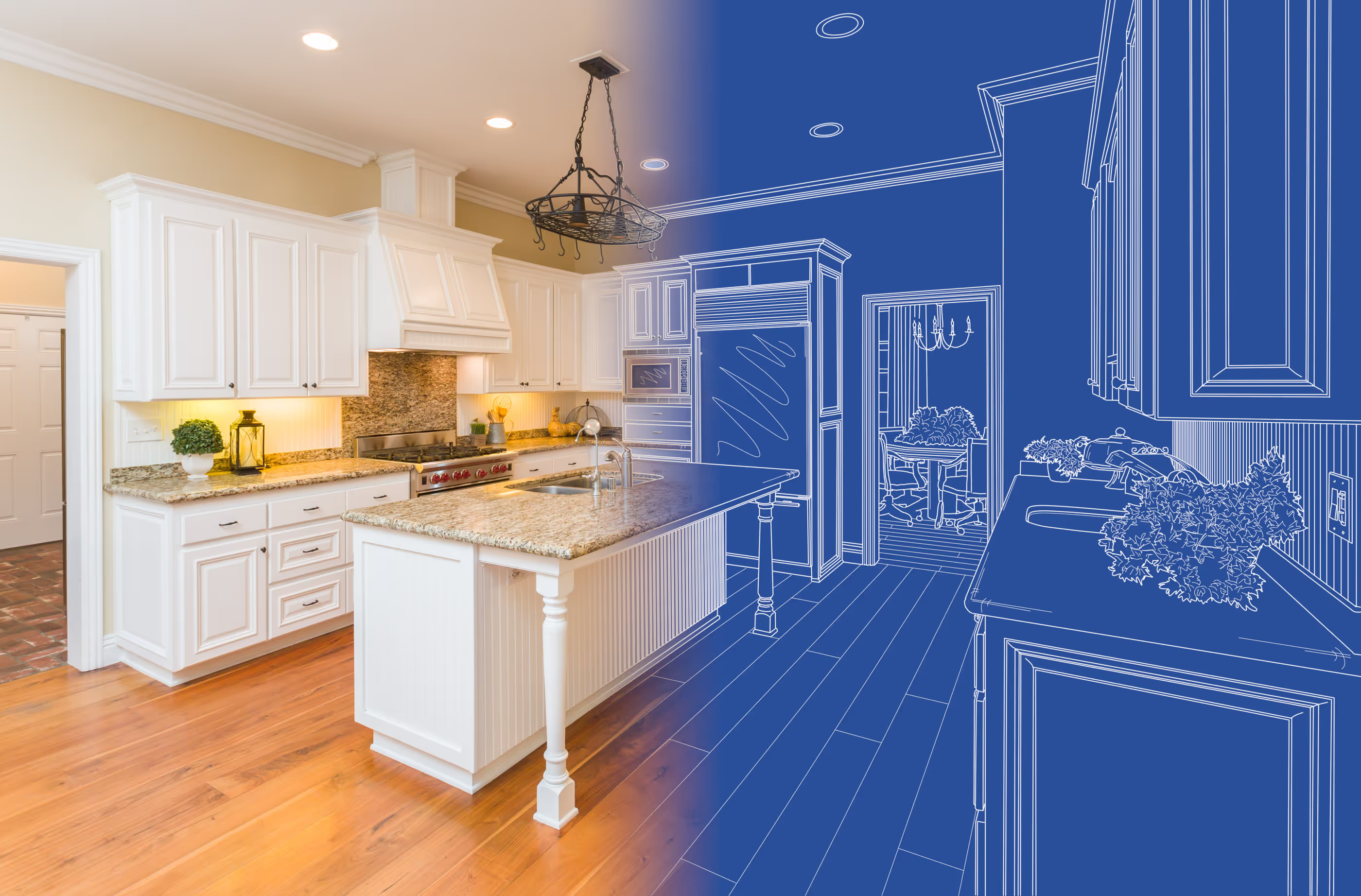
One of the biggest concerns homeowners express when considering a kitchen remodel in Lakeville, Apple Valley, or Prior Lake is the disruption to daily life. After completing 586+ projects across the South Metro, we've developed systematic approaches that minimize inconvenience while delivering beautiful results on schedule.
Why Kitchen Remodel Scheduling Matters
Your kitchen serves as your home's hub—meal preparation, casual dining, homework station, social gathering spot, and morning coffee ritual all happen in this critical space. Disrupting these routines affects your entire family's daily life. Smart scheduling makes the difference between a manageable inconvenience and a stressful ordeal.
Working with Country Creek Builders, homeowners discover that professional contractors who use systematic processes create far less disruption than typical contractors who approach each project haphazardly. Our streamlined approach means your kitchen remodel progresses predictably every single day.
Understanding Typical Kitchen Remodel Timelines
Small Kitchen Remodels (Tier 1, $75k-$90k): 6-8 weeks when keeping the existing layout and making cosmetic updates like new cabinets, countertops, flooring, and appliances.
Medium Kitchen Remodels (Tier 2, $90k-$105k): 8-10 weeks when removing non-load-bearing walls, relocating some appliances, and creating more comprehensive design changes.
Large Kitchen Remodels (Tier 3, $105k-$120k): 10-12 weeks when removing load-bearing walls, significant layout changes, and expanding into adjacent spaces.
Extra-Large Kitchen Remodels (Tier 4, $120k+): 12-16 weeks for complete kitchen restructuring with main-level updates, multiple room coordination, and complex design elements.
These timelines assume professional contractors using full-time employees and systematic project management. Contractors using subcontractors often experience delays as different trades juggle multiple projects.
Best Times of Year for Kitchen Remodels
Late Winter/Early Spring (February-April): Ideal timing for South Metro homeowners. Contractors' schedules have availability, material lead times are shorter, and you'll complete the project before summer entertaining season. Schedule your design consultation in January to start construction by March.
Fall (September-November): Another strong window as contractors return from summer vacation season. You'll finish before holiday entertaining, though permit processing may slow slightly with end-of-year workload.
Summer (June-August): Peak season for remodeling means contractor schedules fill early. Material lead times extend due to industry-wide demand. If summer timing works best for your family, book your project in February-March to secure your spot.
Winter (December-January): Technically available but holidays disrupt schedules. However, if you have flexibility around holiday gatherings, winter projects often proceed with fewer external interruptions.
Avoiding Problematic Timing
Major Holidays: Don't schedule completion near Thanksgiving, Christmas, or other important family gatherings. Build buffer time into your schedule so you're not hosting in an incomplete kitchen.
School-Year Transitions: Fall kitchen remodels create stress during back-to-school season when routines are already disrupted. Consider starting after school begins (late September) rather than immediately before.
Family Events: If you're hosting weddings, graduation parties, or major family gatherings, finish your remodel at least 4-6 weeks prior. This buffer accounts for potential delays and allows you to settle into your new space.
Creating Your Temporary Kitchen
Smart homeowners set up functional temporary kitchens elsewhere in their homes:
Location Options: Dining rooms, basements, or three-season porches work well. You need access to water (bathroom or basement sink), electrical outlets for appliances, and surface space for food prep.
Essential Appliances: Microwave, toaster oven, electric kettle, slow cooker, and portable induction burner cover most cooking needs. A mini-fridge keeps essentials cold without requiring trips to the garage.
Storage Solutions: Folding tables hold appliances and supplies. Clear plastic bins organize dishes, utensils, and frequently-used items so you're not searching through boxes.
Paper Products: Stock up on paper plates, cups, and disposable utensils. While not environmentally ideal, they eliminate dishwashing challenges during construction.
Quick Meal Planning: Before remodeling begins, prepare and freeze meals in portions. Stock your pantry with easy-prep foods requiring minimal cooking. Research local restaurants for meal variety during longer remodels.
Managing Daily Routines During Construction
Morning Routines: Construction teams typically arrive 7:00-8:00 AM. Plan your morning coffee, breakfast, and family prep time accordingly. Keep a coffee maker and essentials in your temporary kitchen.
School-Age Children: Homework and snack routines need alternate locations. Set up a homework station away from construction noise. Keep snacks accessible in your temporary kitchen or dining area.
Pet Considerations: Construction noise, unfamiliar workers, and open doors present pet challenges. Consider boarding during demolition phases or confining pets to bedrooms during work hours.
Work-From-Home Situations: If you work from home, construction noise makes video calls difficult. Consider temporary alternative work locations during noisy phases like demolition, or schedule important calls around construction hours.
The Country Creek Difference: Systematic Project Management
What sets Country Creek Builders apart from typical contractors is our systematic, disciplined approach:
Predictable Daily Schedule: Our full-time crews arrive on time every day, work complete shifts, and maintain consistent progress. You're not waiting for subcontractors juggling multiple projects.
Clear Communication: We provide weekly progress updates, notify you of any schedule changes immediately, and maintain open communication channels throughout your project.
Minimal Disruption: Our crews contain mess to work zones, clean thoroughly at day's end, and respect your home. We don't treat your house like just another job site.
Sense of Urgency: Our craftsmen work with purpose, understanding that every day of your kitchen remodel affects your family. We balance urgency with quality—getting you back in your kitchen fast without sacrificing craftsmanship.
Real Project Examples from the South Metro
In Prior Lake, we remodeled a kitchen for a family with three school-age children. We scheduled the project for summer, set up their temporary kitchen in the dining room, and maintained a strict schedule allowing them to host a back-to-school gathering in their completed kitchen by mid-August.
In Lakeville, we worked with a family who both worked from home. We coordinated noisy demolition work during their weekly office days, provided extra communication about daily schedules, and completed the project on time despite the coordination complexity.
In Apple Valley, we managed a Tier 3 kitchen remodel around a family's holiday schedule. Starting in September, we finished in early November—giving them a month to enjoy their new kitchen before Thanksgiving hosting.
Phase-Based Scheduling Approach
Understanding project phases helps you plan around different disruption levels:
Design Phase (4-6 weeks before construction): No disruption to daily life. You'll have design meetings, make material selections, and finalize plans. This happens while you continue using your current kitchen normally.
Demolition Phase (1-3 days): Most disruptive period. Your kitchen becomes unusable immediately. Noise, dust, and debris are significant despite containment efforts. Many families eat out or use frozen meals during this brief phase.
Rough-In Phase (1-2 weeks): Electricians, plumbers, and HVAC contractors run new services. Noise continues but dust decreases. Your temporary kitchen becomes essential during this period.
Drywall and Finishing Phase (2-3 weeks): Work becomes quieter but your kitchen remains unusable. Drywall compound creates fine dust requiring careful containment. Painting follows drywall completion.
Cabinet Installation Phase (1-2 weeks): Your kitchen starts taking shape. Cabinet installation is relatively quiet and clean. Hope builds as you see your new design materialize.
Countertop and Final Details Phase (1-2 weeks): Countertops install, appliances connect, and final details complete. The finish line appears. Your family's excitement builds.
Final Inspection and Cleanup (2-3 days): We ensure everything functions perfectly, complete final punch-list items, and thoroughly clean your new kitchen. You're days away from reclaiming your space.
Managing Family Expectations
Include Children in Planning: Show them design renderings, explain the timeline, and involve them in age-appropriate decisions. Children who understand the process handle disruption better than those kept in the dark.
Set Realistic Expectations: Explain that living through remodeling requires flexibility, patience, and temporary adjustments. Frame it as an adventure rather than an ordeal.
Celebrate Milestones: When demolition completes, when cabinets install, when countertops arrive—celebrate these milestones with your family. It maintains morale during a lengthy process.
Plan Special Treats: Take your family out to favorite restaurants, order special takeout, or plan fun activities during the most disruptive phases. These positive experiences offset remodeling stress.
Building Buffer Time Into Your Schedule
Even with excellent project management, unexpected issues arise:
Material Delays: Supply chain disruptions occasionally delay materials. Build 1-2 weeks of buffer time into your schedule for important events.
Hidden Issues: Opening walls sometimes reveals unexpected problems—old plumbing needing replacement, electrical code violations requiring correction, or structural issues needing addressing. Professional contractors handle these efficiently, but they affect timelines.
Inspection Delays: Building department schedules, permit processing, and inspection availability occasionally create minor delays. Experienced contractors minimize these issues through established relationships with building departments.
Weather Impacts: While weather rarely affects kitchen remodels directly, it can delay material deliveries or subcontractor availability during severe Minnesota winters.
The Value of In-House Design Services
Working with Country Creek Builders' in-house design team streamlines your schedule significantly:
No Coordination Delays: When designers and builders work for different companies, communication gaps create delays. Our integrated approach eliminates this inefficiency.
Material Selection Efficiency: Our designers know what's readily available, what requires special orders, and how to sequence selections to prevent delays. This expertise keeps your project moving.
Problem-Solving Speed: When field issues arise requiring design decisions, our designers respond immediately rather than waiting for external consultants to visit the job site.
Accurate Scheduling: Because our designers understand construction processes intimately, their project timelines reflect reality rather than optimistic guesses.
Your Next Steps
Planning a kitchen remodel around your family's schedule requires professional partners who respect your time and maintain systematic processes. Start with a consultation with Country Creek Builders where we'll discuss timing that works for your family, explain our systematic approach, and show you how we minimize disruption.
With 25+ years of experience managing South Metro kitchen remodels, we understand the unique challenges families face during renovation. We've developed processes that deliver beautiful results while respecting your daily routines and family commitments.
Explore our kitchen remodeling services or schedule your no-pressure consultation to begin planning your dream kitchen with a timeline that works for your life.
We're based out of the South Metro Twin Cities, and we serve both